
Port of Virginia Orders 10 Kalmar Electric Straddle Carriers
The Port of Virginia has ordered 10 Kalmar Electric Straddle Carriers for Norfolk International Terminals, strengthening the terminal’s move towards lower-emission container handling. The order was booked in Kalmar’s third-quarter 2026 intake, with delivery scheduled for completion during Q3 2027.…
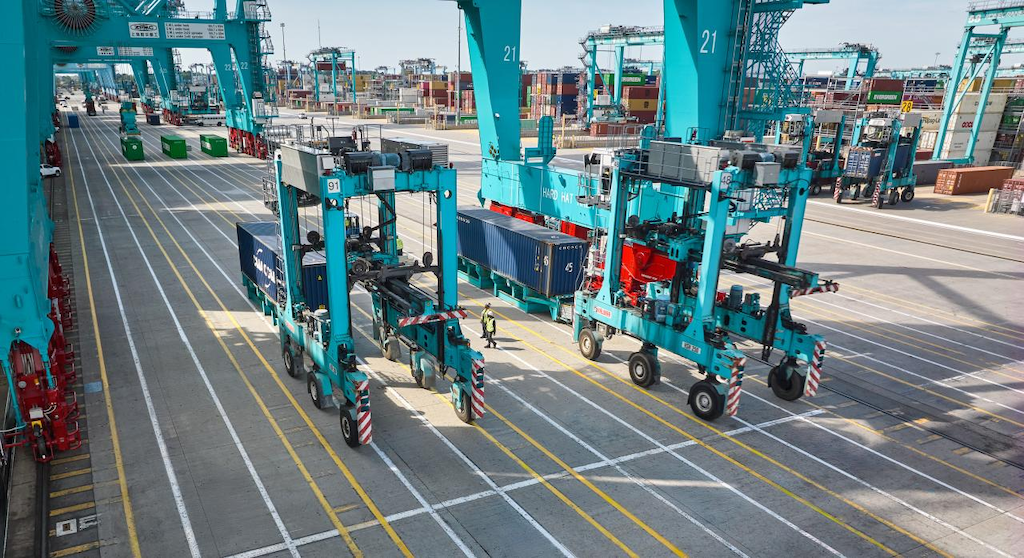
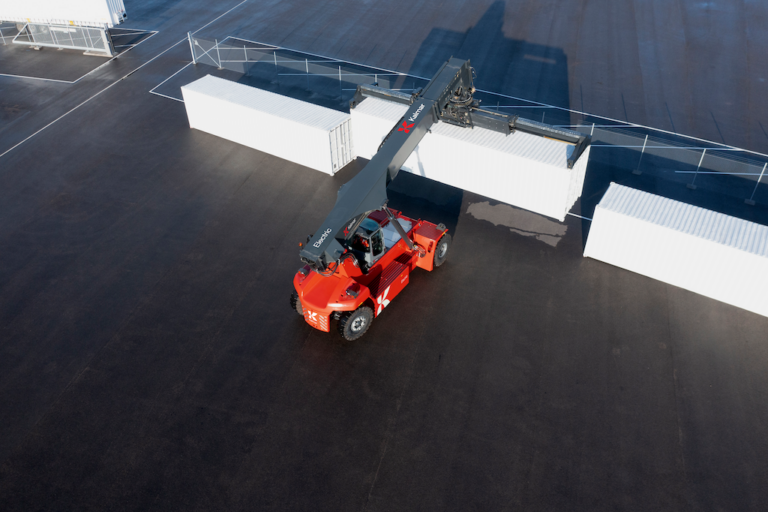
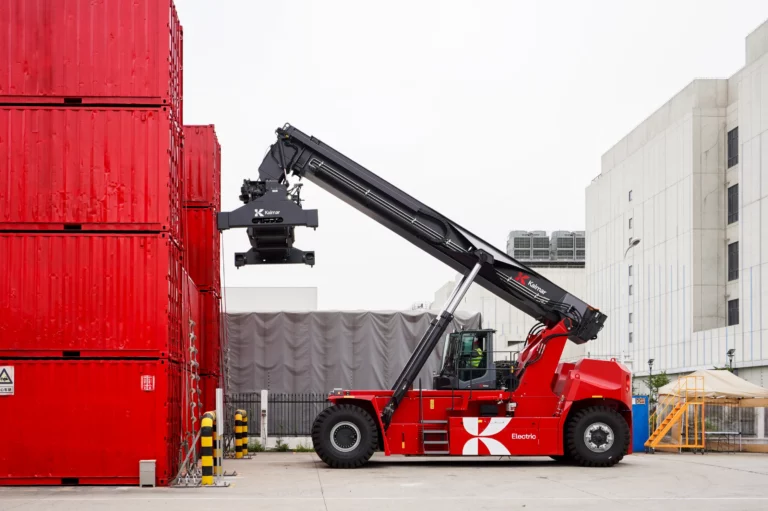
The Port of Virginia has ordered 10 Kalmar Electric Straddle Carriers for Norfolk International Terminals, strengthening the terminal’s move towards lower-emission container handling.
The order was booked in Kalmar’s third-quarter 2026 intake, with delivery scheduled for completion during Q3 2027.
Norfolk International Terminals is the Port of Virginia’s largest terminal and forms part of a wider semi-automated port network that also includes Virginia International Gateway.
Once the new machines are delivered, NIT will operate 113 Kalmar straddle carriers alongside more than 90 semi-automated stacking cranes. The terminal is expected to reach an annual capacity of 3.6 million TEU following its ongoing expansion programme.
The new electric straddle carriers will use lithium-ion battery systems developed for heavy-duty applications and are designed to operate for up to 600 minutes.
Each machine will also be equipped with the Kalmar Collision Warning System, which uses visual and audible alerts to warn operators of potential collision risks during terminal operations.
“Integrating these fully electric Kalmar straddle carriers with the Collision Warning System into our operations is a vital step in our journey to create safer and more sustainable operations,” said Patrick Jefferson, Director of Operations at NIT.
The Port of Virginia is targeting net-zero Scope 1 and 2 carbon emissions by 2040, with electrification forming part of its wider terminal modernisation strategy.
“Expanding their fleet to 113 Kalmar Straddle Carriers is a tremendous testament to the trust they place in our solutions,” said Troy Thompson, Head of Sales Americas at Kalmar.
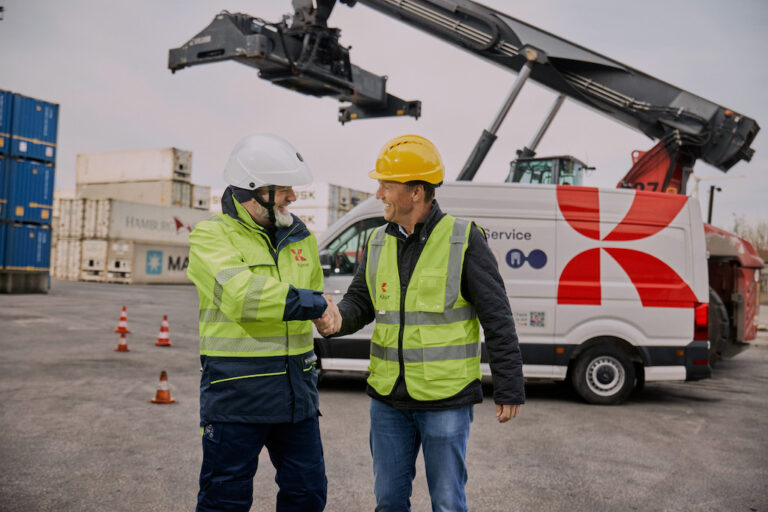
Kalmar and the Port of Virginia have worked together since 2007, with the latest order extending a long-term relationship across container handling equipment and terminal operations.