CMA CGM and DSV have agreed a two-year low-carbon shipping programme targeting a 12,000-tonne reduction in CO₂ emissions across DSV’s ocean freight activities.
Under the agreement, DSV will use CMA CGM’s ACT+ solution, which replaces conventional marine fuel with lower-carbon alternatives including second-generation UCOME-based biofuels.
CMA CGM says ACT+ can reduce CO₂ emissions by up to 83% compared with conventional shipping fuels, depending on the energy used.
The agreement forms part of both companies’ wider strategies to reduce emissions across global supply chains and reach net-zero carbon targets by 2050.
“Through our partnership with CMA CGM and the use of the ACT+ solution, we are expanding access to lower-carbon shipping options for our customers,” said Michael Hollstein, SVP Global Ocean Product at DSV.
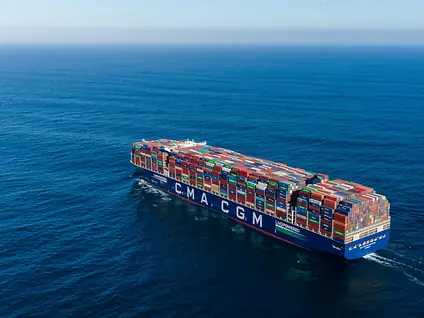
CMA CGM continues to expand its fleet of vessels capable of operating on alternative fuels. The group expects to have around 200 dual-fuel LNG and methanol-powered ships in operation by 2031, capable of using lower-carbon energy sources as availability increases.
Its latest fleet additions include the 24,212 TEU CMA CGM Notre Dame, delivered in 2026 as the first of ten new-generation LNG-powered vessels and currently the largest containership operating under the French flag.
“Our partnership demonstrates how strong collaboration drives more resilient and sustainable logistics, while delivering high-performance solutions for our customers,” said Amandine Paulet, Vice President and Deputy Chief Commercial Officer at CMA CGM.