
CILT Calls for Cheaper Power and Grid Access for Freight
Ports, short-sea ferries and road and rail freight are central to CILT (UK)’s Budget proposals, which link transport electrification to affordable electricity and reliable grid connections. The Chartered Institute of Logistics and Transport in the UK is urging the Chancellor…
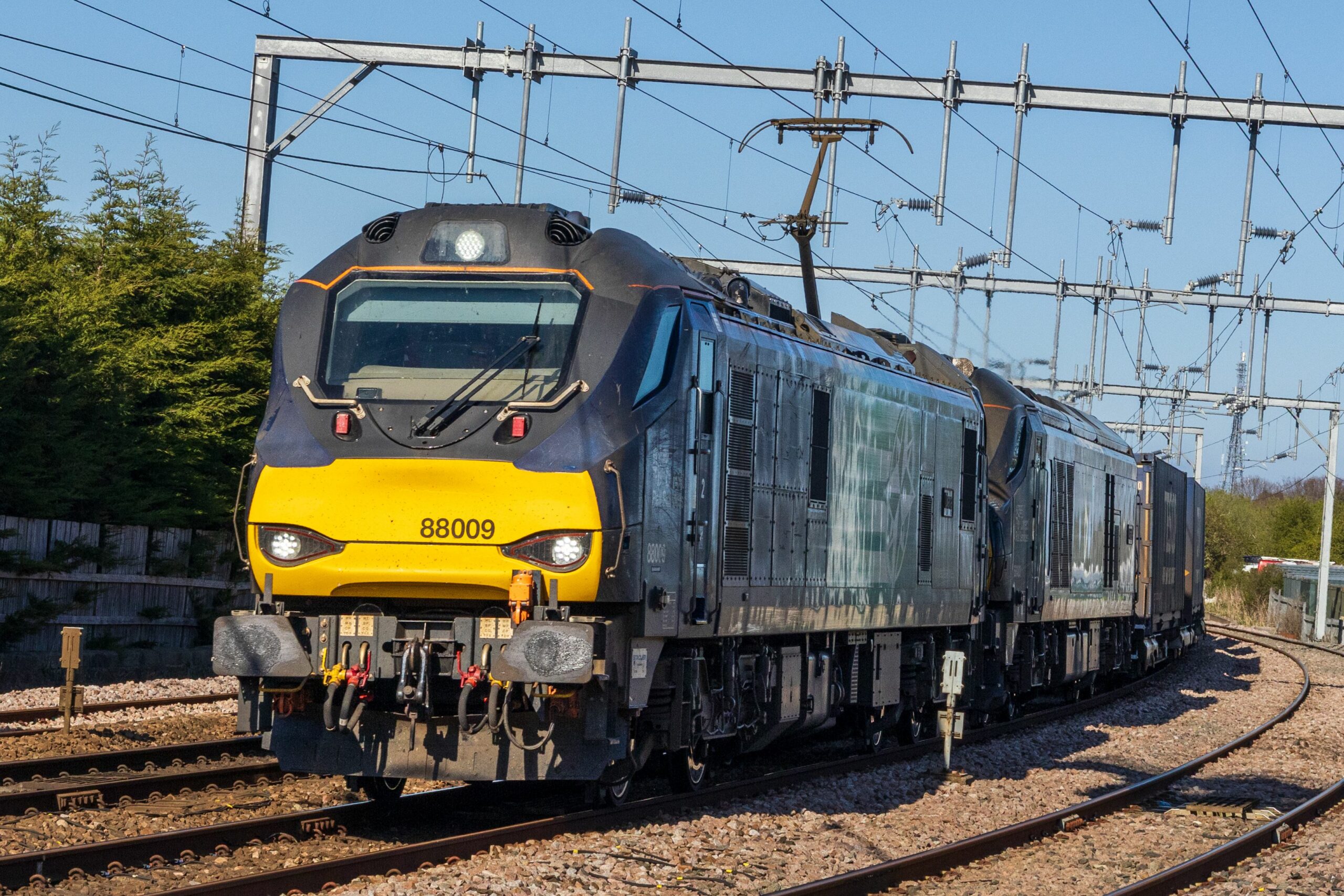
Ports, short-sea ferries and road and rail freight are central to CILT (UK)’s Budget proposals, which link transport electrification to affordable electricity and reliable grid connections.
The Chartered Institute of Logistics and Transport in the UK is urging the Chancellor to address the cost and availability of electricity as part of measures to support cleaner freight transport in the Autumn Budget.
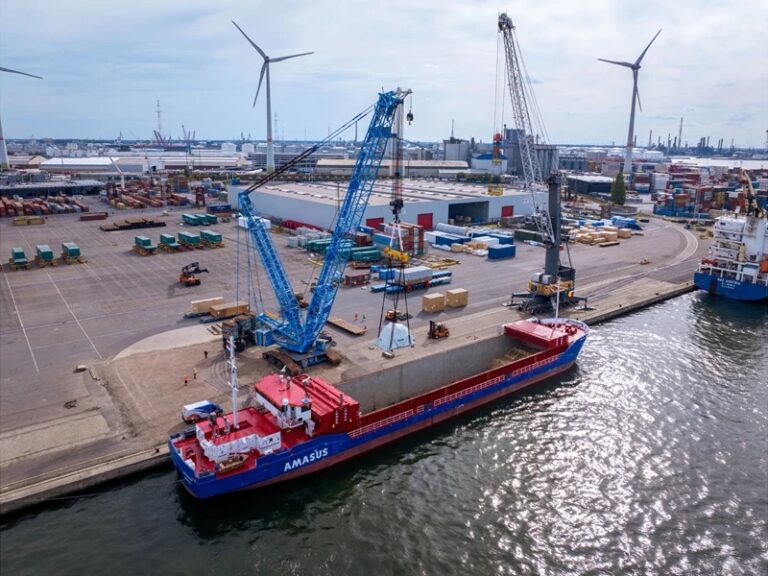
The institute says high electricity prices and restricted grid access make it harder for operators to invest in electric commercial vehicles, charging facilities and electric rail services. Its proposals extend to ports, where shore power depends on both affordable electricity and adequate connections.
CILT (UK) wants taxes and levies affecting transport electrification reviewed, alongside investment in charging infrastructure and stronger power supplies for the rail network. It says some electrified routes lack sufficient power for all the services that could use them, leaving freight trains reliant on diesel.
For maritime operations, the institute calls for support for short-sea ferries and shore power infrastructure that would enable vessels to use electricity at berth instead of running onboard engines.
It also seeks investment in rail freight routes connecting container ports, quarries, distribution centres and manufacturing sites, while stressing the continuing importance of reliable road links to supply chains.
Alongside those investment proposals, CILT (UK) urges the Government to retain the 5p-per-litre fuel duty cut in the short term while oil prices remain high. Its position combines immediate support for operators facing fuel costs with longer-term measures intended to make electrification more practical.
Illustrative photograph: UK freight train, April 2025. Photo: Dan Wright / Pexels, used under the Pexels Licence.