The Lifting Equipment Engineers Association is highlighting how its Military Transition Scheme is helping former armed forces personnel move into civilian careers across the lifting industry.
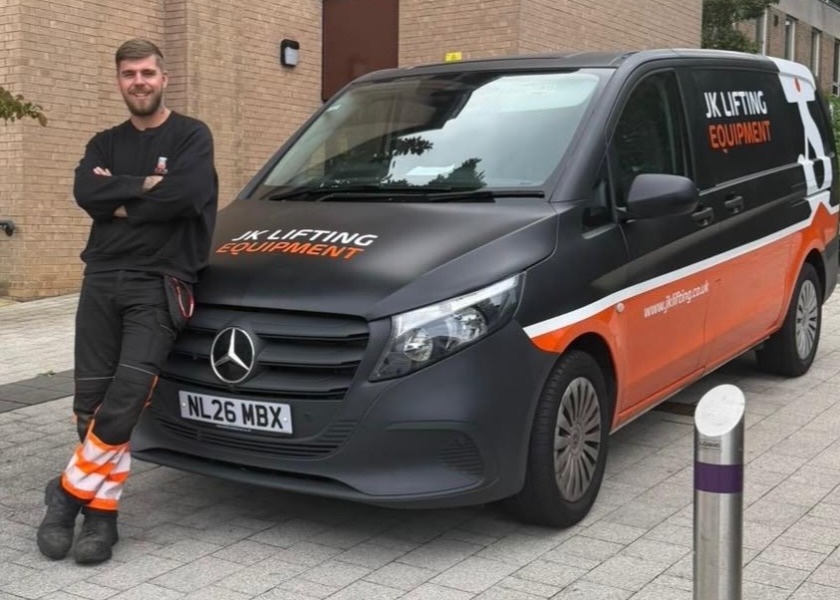
One example is Jamie Morris, now a site engineer at JK Lifting Equipment, who joined the sector after seven years with the British Army’s 1st Battalion, Royal Regiment of Fusiliers.
During his service, Morris worked as a Warrior gunner and driver before joining the Sniper Platoon and later a Reconnaissance Platoon. After leaving the Army, he joined JK Lifting Equipment, where he has spent the past two and a half years developing his technical career.
Through LEEA’s Military Transition Scheme, Morris completed the organisation’s Foundation Certificate, giving him an industry-recognised qualification and formal introduction to lifting equipment engineering.
He has since continued his development using Enhanced Learning Credits Administration Service funding to complete NVQ Diplomas in Lifting Supervision and Appointed Person.
The scheme is available from six months before leaving military service and for up to two years afterwards. It is open to regular service leavers worldwide, regardless of military branch, trade or previous qualifications.
Participants receive free access to LEEA’s Foundation Certificate e-learning course, while reduced-rate Advanced Diploma training may also be available. The programme also connects candidates with employment opportunities across LEEA’s international membership, which spans more than 80 countries.
“We know the military services are full of high calibre people with important employability skills, together with the technical expertise required by our industry,” said Ross Moloney, CEO of LEEA.
The lifting sector offers career opportunities across equipment design, manufacturing, inspection, testing and maintenance, as well as specialist operations serving industries including construction, renewables, offshore and nuclear.
For Morris, the scheme provided a bridge between military experience and a new technical career, turning skills developed in the Army into recognised lifting-industry qualifications.