
Maersk’s 26-Ship Order Will Not Add Capacity Before 2029
Maersk’s order for 26 large container vessels represents around 483,600 TEU of new tonnage, but the ships are not scheduled to enter service until 2029 and 2030, leaving current supply-chain pressures unaffected by the investment. Each of the new vessels…
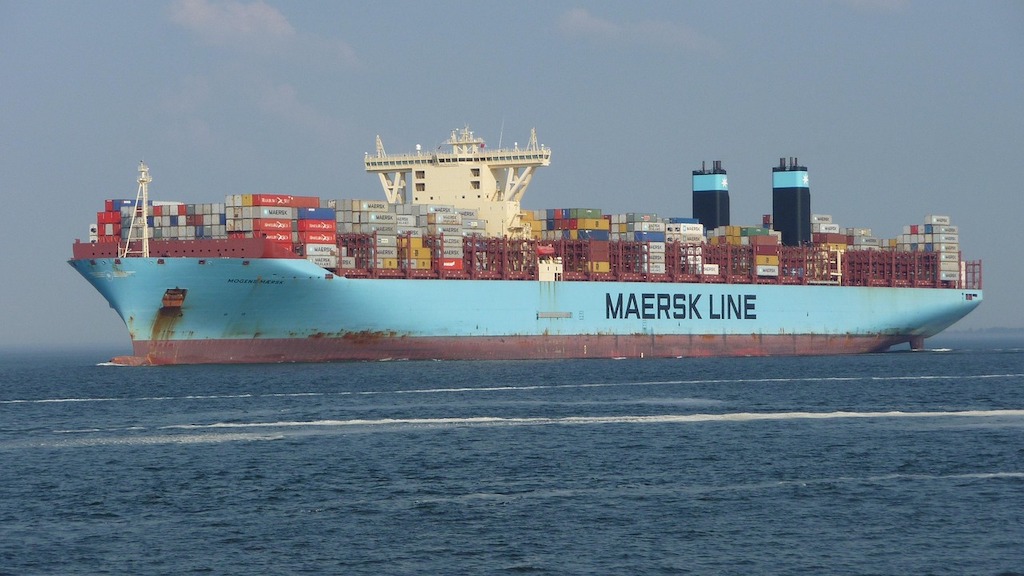
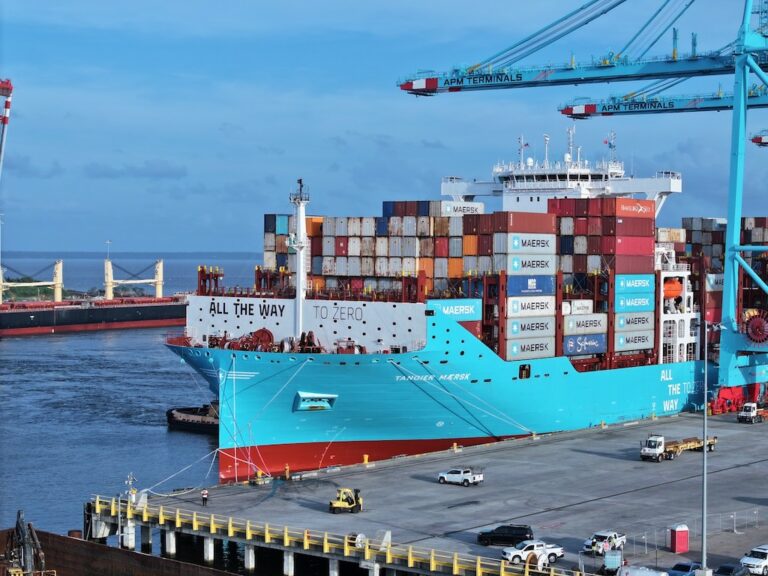
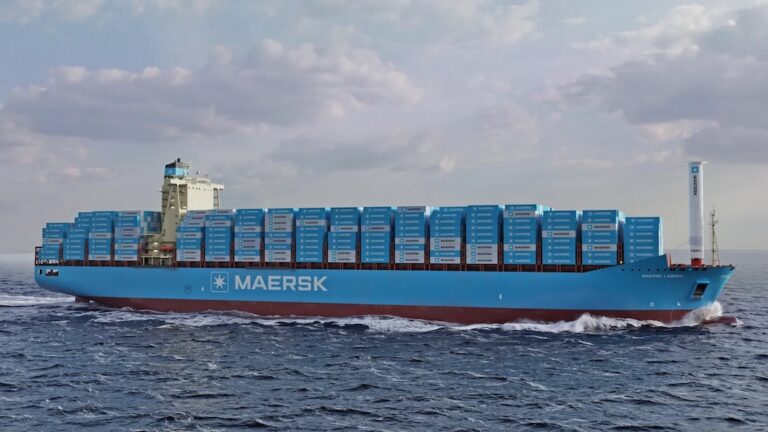
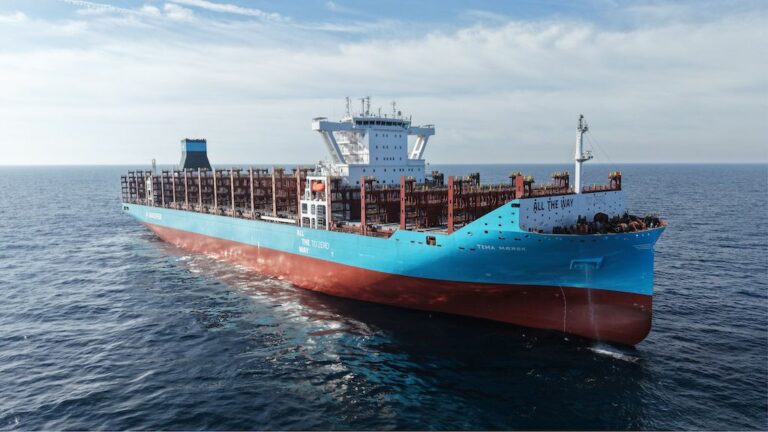
Maersk’s order for 26 large container vessels represents around 483,600 TEU of new tonnage, but the ships are not scheduled to enter service until 2029 and 2030, leaving current supply-chain pressures unaffected by the investment.
Each of the new vessels will have capacity of around 18,600 TEU and form part of Maersk’s wider fleet renewal programme. The carrier has previously stressed that its newbuilding strategy includes replacing older tonnage rather than simply adding all new capacity on top of the existing fleet.
Earlier this year, Maersk separately confirmed an order for eight 18,600 TEU vessels for delivery during the same 2029–2030 period, describing deployment flexibility as an important factor in its fleet strategy.
For UK companies currently importing goods from Asia, however, Cleveland Group says large newbuilding programmes should not be interpreted as an immediate solution to congestion and schedule disruption.
“An order of this size sounds like more capacity is on its way, but for anyone placing orders with suppliers in Asia this winter, it changes nothing for the next few years,” said Hayley Hedley, Group Commercial Director at Cleveland Group.
She said businesses planning spring inventories should focus on the capacity and vessel schedules available today rather than ships that will enter service several years from now.
The distinction between freight pricing and schedule reliability is also important for importers, according to Hedley.
“A cheaper container that arrives a week late can still cost a business more if it means a stalled site or an empty shelf,”said Hayley Hedley, Group Commercial Director at Cleveland Group.
Cleveland Group recommends that companies importing from Asia build additional time into their supply chains, particularly around the period preceding Chinese New Year, when factories traditionally close and export volumes can increase sharply.
Hedley also advises importers to obtain vessel details from suppliers and monitor individual sailings rather than relying solely on initial estimated arrival dates.
While Maersk’s latest fleet investment will introduce substantial new tonnage later this decade, its impact will therefore be longer-term, with the immediate performance of Asia-Europe supply chains continuing to depend on existing vessels, port capacity and network reliability.