The UK government’s financing structure for the Sizewell C nuclear power project will require close oversight as construction progresses, according to a new report from the UK National Audit Office (NAO).
The report states that the Department for Energy Security and Net Zero (DESNZ) successfully secured investment agreements with EDF and other private investors to build and operate the plant. The investment decision, finalised in 2025, came more than two years later than originally planned but allowed for a more developed and fully costed construction programme.
Current equity shares are held by DESNZ with 44.9 percent, EDF with 12.5 percent, La Caisse with 20 percent, Centricawith 15 percent and Amber Infrastructure with 7.6 percent. Amber Infrastructure also holds an option to increase its share by a further 2.4 percent, reducing DESNZ’s stake.
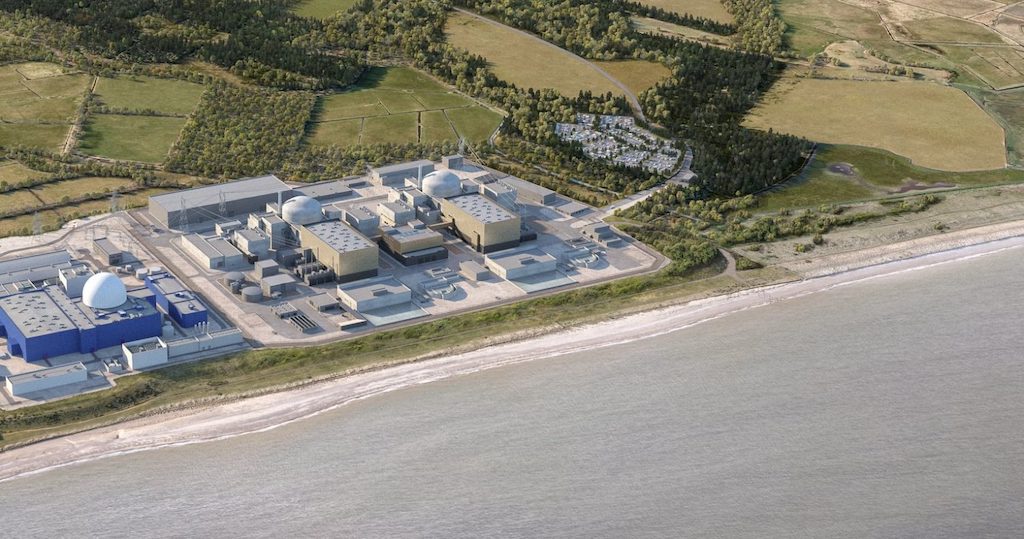
Sizewell C is expected to cost £38.2 billion, with completion targeted for summer 2039. Once operational, the plant could provide electricity equivalent to the needs of six million UK homes over a projected 60-year lifespan.
Under the financing arrangement, consumers began contributing to the project through electricity bills from November 2025. The NAO estimates this could initially add around £4 annually to a typical household bill, rising to between £17 and £19 per year by the time the plant enters service.
DESNZ believes the financing model, which shares risk between investors, taxpayers and consumers, could lower borrowing costs and improve the chances of delivering the project on time and within budget. The report notes that private investors are expected to contribute expertise, due diligence and project management oversight that could reduce costs and accelerate delivery schedules.
However, the NAO warned that the structure also places greater exposure on consumers and taxpayers than many other energy projects. Investors are expected to receive returns of up to 13 percent if construction costs remain at the baseline estimate, falling to 10.8 percent if costs rise to the project’s higher regulatory threshold of £47.7 billion.
The £47.7 billion threshold represents the level at which 90 percent of forecast construction outcomes remain below projected costs. If costs exceed this figure, the Secretary of State would need to determine whether to increase consumer funding, inject additional government support or potentially discontinue the project. Investors told the NAO they are particularly exposed in these “tail-end” scenarios.
The report also compares the project with Hinkley Point C, which has experienced major delays and cost overruns. Although Sizewell C’s projected construction cost is estimated to be 22 percent lower than Hinkley’s current estimate, consumers may still pay more for electricity because borrowing costs have increased since Hinkley’s strike price was agreed.
DESNZ estimates the project could generate net benefits of up to £18 billion through lower electricity costs and support for the UK’s net-zero targets. The department also stated that rising costs for alternative low-carbon technologies could improve the long-term value-for-money case for Sizewell C and potentially move the break-even point forward to as early as 2050 in some scenarios.