
Liebherr Accelerates Electric Drive Adoption in Port Operations
As global sustainability goals intensify and the shift from fossil fuels becomes both an environmental and economic necessity, the demand for electric drive systems is rapidly growing. Liebherr, a global leader in mobile harbour crane technology, is responding to this…
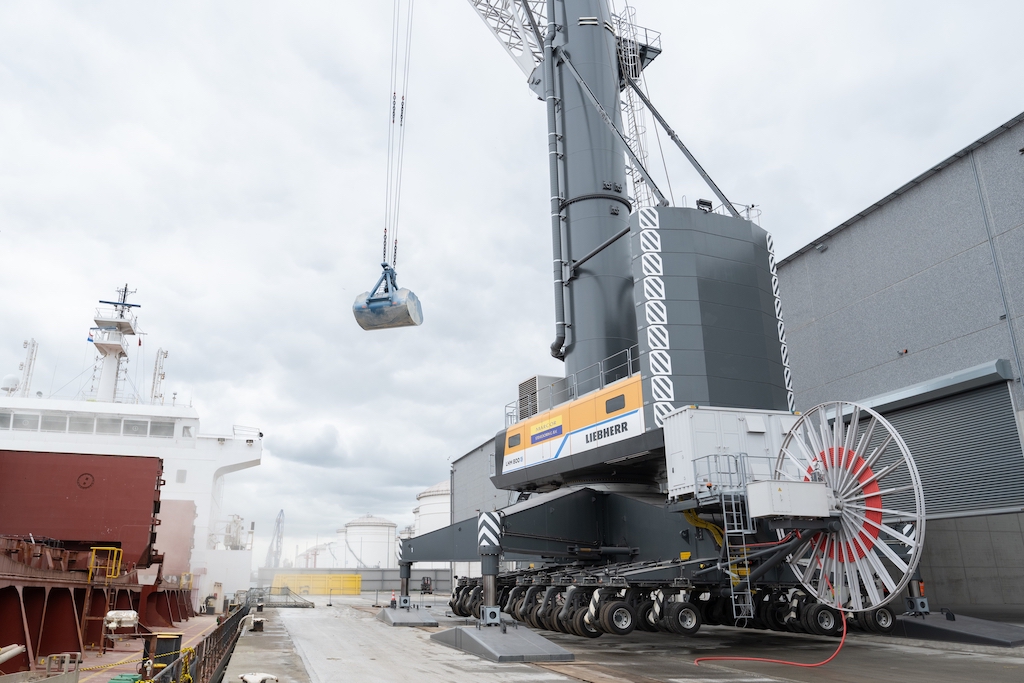
As global sustainability goals intensify and the shift from fossil fuels becomes both an environmental and economic necessity, the demand for electric drive systems is rapidly growing. Liebherr, a global leader in mobile harbour crane technology, is responding to this momentum with an expanding portfolio of electric and hybrid drive solutions, engineered to meet diverse operational requirements.
With over 2,000 mobile harbour cranes produced and around 1,600 in operation across more than 130 countries, Liebherr has long been at the forefront of innovation in port electrification. Between 2019 and 2025, the company recorded a 400% increase in deliveries of electric drive mobile harbour cranes, reflecting a clear industry shift toward sustainable technologies.
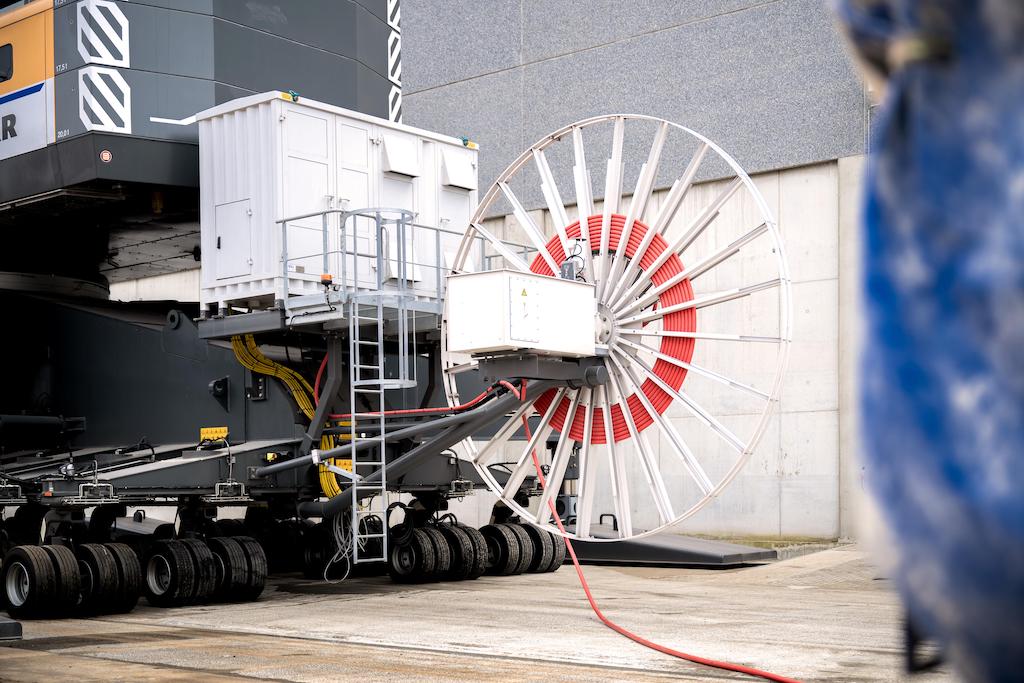
Adoption is accelerating worldwide, led by India and Türkiye, with strong growth in Europe—particularly in the Netherlands, France, and Poland—as well as in the United States and the United Kingdom. “Our clients have benefitted from electric drives for over two decades,” said Franz Findel, Product Manager at Liebherr-Rostock GmbH. “E-drives reduce CO₂ emissions and noise, require minimal maintenance, and improve overall efficiency and reliability without compromising performance.”
Liebherr’s electric drive technology can be installed in new cranes or retrofitted to existing diesel units, allowing operators to modernise fleets without major replacements. Supported by Liebherr’s global service network, these conversions help ports adapt to new regulatory frameworks and funding incentives while extending the life of their equipment.
Electric drives also offer significant operational savings. While a diesel crane emits around 24 kg of CO₂ per hour when idling, an e-drive consumes no energy during downtime. When powered by renewable sources, CO₂ emissions can be reduced by up to 100 kg per hour—delivering both environmental and economic advantages for future-ready port operations.