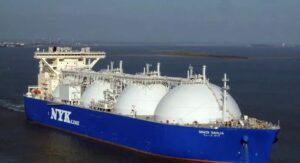
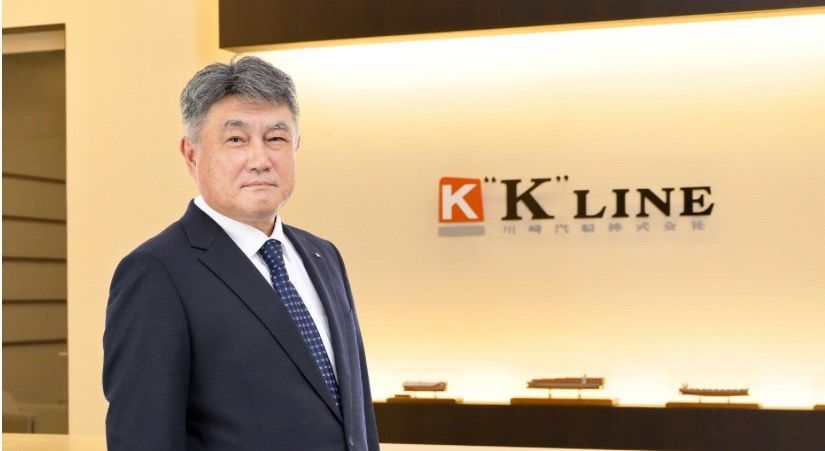
Kawasaki Kisen Kaisha, known as “K” Line, has signed shipbuilding contracts for four LNG dual fuel car carriers that will be operated by its European subsidiary, K Line European Sea Highway Services (KESS).
The vessels will be built by China Merchants Jinling Shipyard in Nanjing, China, and are designed specifically for the requirements of the European short sea shipping market. With a capacity of 1,380 vehicles each, the newbuildings are intended to support the frequent transport of smaller cargo volumes while complying with size restrictions imposed by a number of European ports handling imported vehicles.
According to K Line, the vessel design will provide KESS with greater operational flexibility and strengthen its competitive position within the European automotive logistics sector. In addition to passenger vehicles, the ships will be capable of transporting heavy and oversized cargo thanks to the installation of straight stern ramps with a load capacity of 60 tonnes.
The vessels are equipped with LNG dual fuel propulsion systems and are expected to deliver significant environmental benefits. Compared with conventional ships operating on heavy fuel oil, the new carriers are projected to reduce carbon dioxide emissions by between 25 and 30 percent while virtually eliminating sulfur oxide emissions.
To further support its decarbonisation objectives, K Line is also evaluating the future use of bio diesel and bio LNG fuels. Each vessel will be powered by a high pressure ME GI engine combined with a shaft generator, helping to minimise methane slip, a key challenge associated with LNG powered vessels.
The ships will also feature vacuum insulated LNG tanks designed to reduce the generation of boil off gas, contributing to improved fuel efficiency and lower greenhouse gas emissions.
The order supports K Line’s long term environmental strategy, Environmental Vision 2050 Blue Seas for the Future, under which the company aims to achieve net zero greenhouse gas emissions by 2050. The latest investment represents another step in the company’s efforts to support the decarbonisation of maritime transport while enhancing its European short sea shipping operations.