
Monolith and Jungheinrich Advance AI Engineering
Monolith and Jungheinrich are collaborating to accelerate battery development using AI-driven engineering tools. The partnership focuses on improving how battery performance is evaluated for electric material handling equipment. By applying machine learning to real-world test data, Jungheinrich aims to gain earlier insights into…
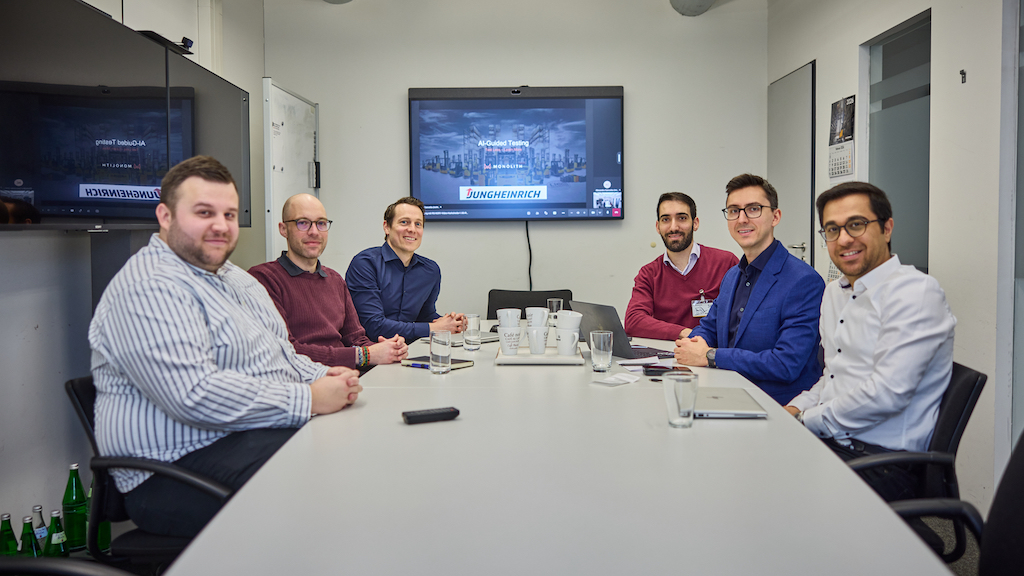
Monolith and Jungheinrich are collaborating to accelerate battery development using AI-driven engineering tools.
The partnership focuses on improving how battery performance is evaluated for electric material handling equipment. By applying machine learning to real-world test data, Jungheinrich aims to gain earlier insights into battery behaviour, reducing reliance on time-consuming physical testing.
Monolith’s platform will analyse large volumes of battery test data generated by Jungheinrich, creating predictive models that help engineers make faster and more informed decisions during product development. This approach supports the company’s expansion of its electric equipment portfolio while improving efficiency in research and development processes.
“As we continue expanding our range of electric equipment, the ability to evaluate battery technologies quickly and reliably is essential,” said Dr. Andreas Münz of Jungheinrich. “Working with Monolith allows us to better understand performance characteristics earlier and make smarter engineering decisions.”
The collaboration reflects a broader shift toward AI-enabled engineering across manufacturing. According to McKinsey & Company, such approaches could accelerate R&D processes by 20–80% in complex industries.
Monolith’s technology combines historical and live test data to predict outcomes and prioritise further testing, helping reduce the need for prototypes and repetitive trials.
“By applying AI to engineering data, we help turn complex datasets into actionable insights,” said Dr. Richard Ahlfeld, CEO and Founder of Monolith,