DNV Approves Econowind VentoFoil
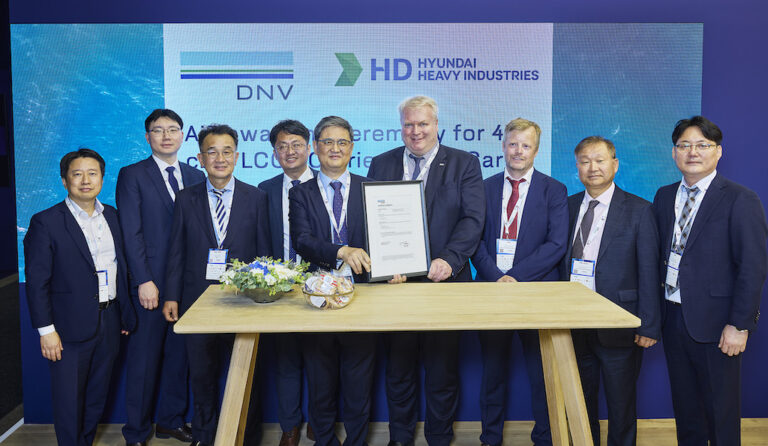
A new Type Approval Design Certificate from DNV clears the way for wider deployment of Econowind’s VentoFoil 3-Series across the global shipping industry. The certification confirms that the boundary layer suction wing complies with DNV’s ST-0511 standard for Wind-Assisted Propulsion…
A new Type Approval Design Certificate from DNV clears the way for wider deployment of Econowind’s VentoFoil 3-Series across the global shipping industry.
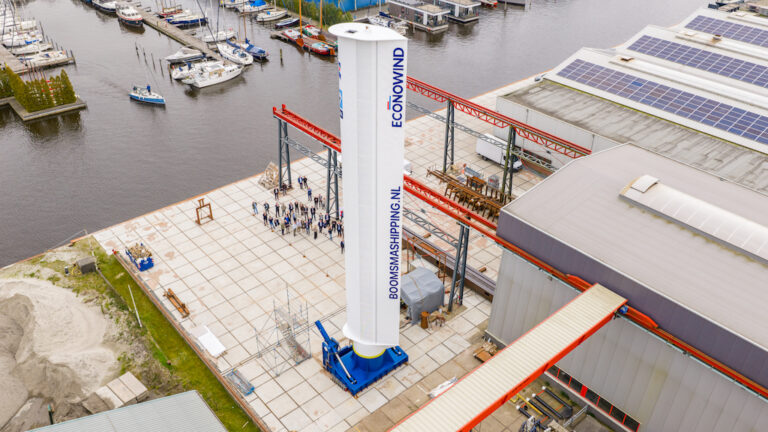
The certification confirms that the boundary layer suction wing complies with DNV’s ST-0511 standard for Wind-Assisted Propulsion Systems, enabling easier integration on DNV-classed vessels and simplifying approval processes for both retrofit and newbuild projects.
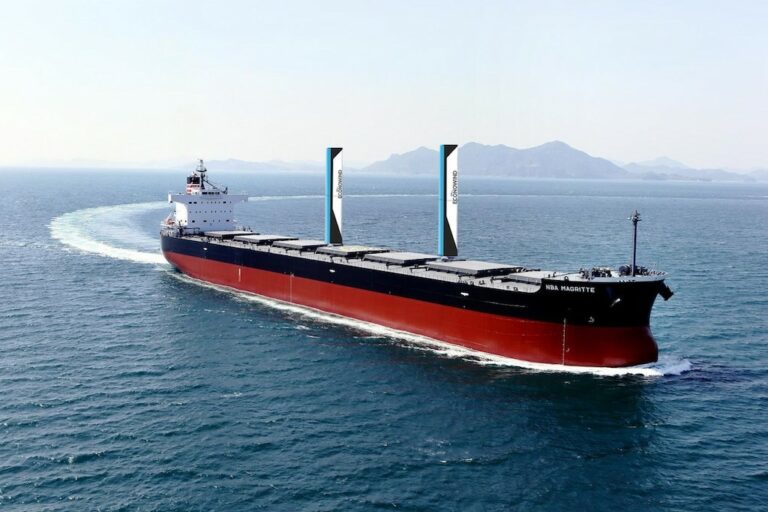
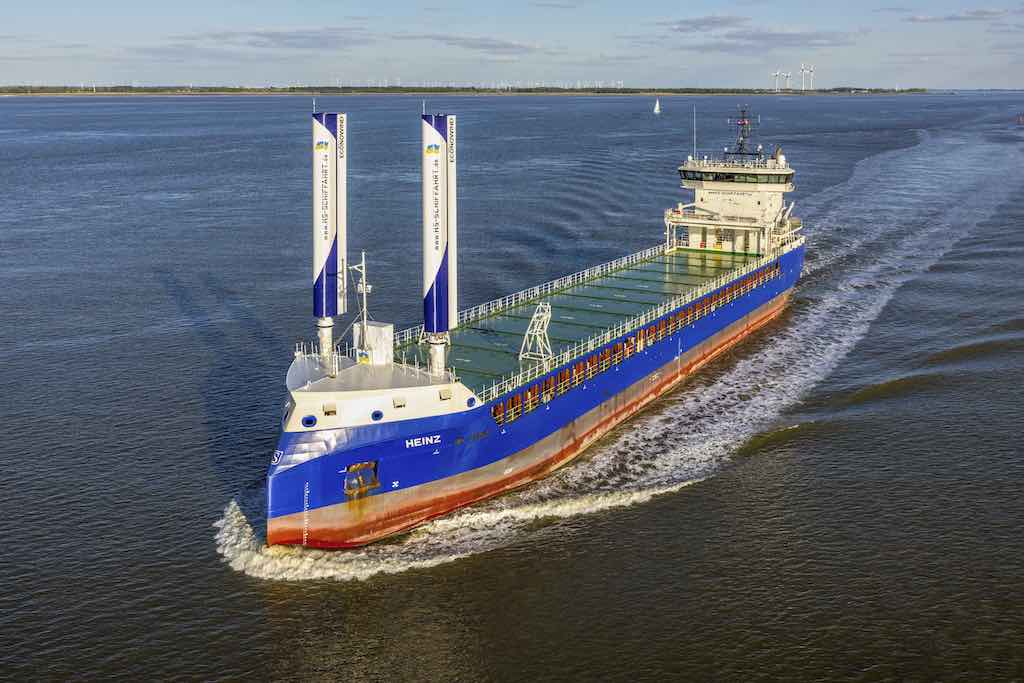
The 16-metre VentoFoil 3-Series is Econowind’s best-selling wind propulsion system, with more than 150 units sold. Designed to generate forward thrust using wind energy, the technology helps reduce fuel consumption and lower emissions while supporting compliance with FuelEU regulations. A tilting foundation also allows the wings to be lowered during port operations or adverse weather, providing greater operational flexibility.
“This TADC gives DNV-classed shipowners confidence that VentoFoils meet the highest industry standards,” said Chiel de Leeuw, Chief Commercial Officer at Econowind. “It simplifies the approval process for both retrofits and newbuilds and is an important milestone for Econowind and the wider adoption of wind-assisted ship propulsion.”
The approval enables shipowners, shipyards and project teams to move more efficiently from concept to installation by eliminating the need for repeated design assessments on DNV-classed vessels.
Hasso Hoffmeister, Senior Principal Engineer at DNV Maritime, said, “Wind-assisted propulsion systems have grown significantly in recent years, and with continuing advances in technology and production capacity, we expect this trend to accelerate.”
Econowind expects the certification to support broader market adoption of the VentoFoil, providing shipowners with independently certified technology to improve fuel efficiency and support decarbonisation. The MS Heinz of HS Schiffahrt is among the first vessels to operate under the new certification.